


Views: 0 Author: Site Editor Publish Time: 2025-10-13 Origin: Site


Dicyandiamide (DCD) is a highly versatile compound that plays a crucial role in several industrial applications, particularly in the fields of polymerization, chemical synthesis, and agriculture. As an organic compound, Dicyandiamide consists of two cyanamide groups (–C≡N) connected by a single nitrogen atom. This structure gives it a wide range of chemical and physical properties that make it suitable for various industrial uses. Its ability to function as a curing agent, crosslinking agent, and flame retardant, among other things, makes it an indispensable compound in many industries. In this article, we will explore the properties of Dicyandiamide, its diverse applications in industrial chemistry, and its importance in modern manufacturing processes.
Dicyandiamide is a crystalline, white to off-white solid that is highly soluble in water and organic solvents. Its chemical formula is C2H4N4, and it is often used as an intermediate in the production of various chemicals, including melamine, resins, and other nitrogen-containing compounds. Dicyandiamide is typically synthesized through a reaction involving cyanamide and ammonium salts or other nitrogenous compounds.
Its chemical structure consists of two cyanamide groups (-C≡N) linked by a single nitrogen atom. This structure provides Dicyandiamide with a unique set of chemical properties, making it highly reactive in different environments.
Dicyandiamide's distinct chemical structure gives it a wide range of useful properties. These properties make it highly effective in industrial processes, including polymerization, curing, and flame retardancy.
Dicyandiamide is rich in nitrogen, which is a key element in several chemical reactions. The high nitrogen content makes Dicyandiamide an effective crosslinking agent and curing agent, especially in the production of polymers and resins. It also contributes to its role in improving the flame retardancy of various materials.
Dicyandiamide’s solubility in both water and organic solvents makes it highly versatile in various chemical processes. This property allows Dicyandiamide to be easily incorporated into different formulations, including adhesives, coatings, and fertilizers. It can be dissolved and blended into a wide range of industrial products, making it an essential ingredient in many manufacturing processes.
Dicyandiamide is known for its ability to form stable complexes with metal ions and other organic compounds. This property is particularly valuable in catalysis and chemical synthesis, where it can act as a stabilizer or activator in certain reactions. Dicyandiamide's complexing ability makes it an important intermediate in the production of other chemicals.
Dicyandiamide exhibits excellent thermal stability, which makes it suitable for high-temperature applications. This property is particularly important in its role as a curing agent in thermosetting resins, where heat is applied to harden or set the material.
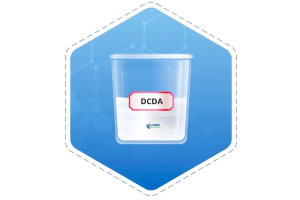
Dicyandiamide finds use in a wide range of industrial applications due to its versatility and reactive properties. Some of the key industries that rely on Dicyandiamide include the polymer industry, agriculture, electronics, and materials science.
One of the most important applications of Dicyandiamide is in the polymerization of various materials, especially in the production of melamine resins and epoxy resins. Dicyandiamide is used as a curing agent in these resins, allowing them to crosslink and harden when exposed to heat. The use of Dicyandiamide as a curing agent improves the chemical resistance, hardness, and thermal stability of the final product.
In the production of epoxy resins, Dicyandiamide plays a crucial role in increasing the strength and resistance of the resin, making it suitable for a wide range of applications, including coatings, adhesives, and electrical insulations. Similarly, in melamine resin production, Dicyandiamide enhances the hardness, durability, and chemical resistance of melamine-based products.
In agriculture, Dicyandiamide is used in the formulation of slow-release fertilizers. By controlling the release rate of nitrogen, Dicyandiamide ensures that plants receive a steady supply of nutrients over time. This slow-release property improves fertilizer efficiency, reduces leaching, and minimizes environmental impact. The compound is often incorporated into ammonium-based fertilizers to enhance their performance, ensuring that nitrogen is available to crops when they need it most.
Dicyandiamide is used as a flame retardant in various materials, including plastics, textiles, and composites. The high nitrogen content in Dicyandiamide helps reduce the flammability of materials, making them safer in applications such as construction, automotive, and electronics.
When added to plastics and other materials, Dicyandiamide improves their resistance to fire and heat, preventing the spread of flames in the event of a fire. This property is particularly important in industries that require stringent safety standards, such as the construction and automotive industries.
Dicyandiamide is also used in the electronics industry, primarily in the production of electrical insulating materials. Its role as a curing agent in epoxy resins makes it essential for manufacturing printed circuit boards (PCBs) and other electronic components. The material provides electrical insulation and improves the performance and durability of electronic products by enhancing their resistance to heat, moisture, and chemicals.
Dicyandiamide is widely used in the formulation of adhesives and coatings, particularly in the production of high-performance adhesives that require excellent bonding strength and resistance to heat and chemicals. Dicyandiamide’s ability to crosslink resins and polymers improves the performance of adhesives, making them suitable for challenging industrial applications such as bonding metal, glass, and ceramics.
In coatings, Dicyandiamide enhances the durability and resistance of surface finishes, making them ideal for use in demanding environments like aerospace, automotive, and construction.
Due to its ability to form stable complexes with metal ions, Dicyandiamide plays a vital role in various chemical synthesis and catalysis processes. It is used as a catalyst or stabilizer in a range of organic reactions, including the synthesis of other nitrogen-containing compounds and specialty chemicals. Its ability to activate certain compounds makes it an essential reagent in the production of various industrial chemicals.
While Dicyandiamide is an essential compound in many industrial processes, it is important to consider its environmental impact and safety. As a nitrogen-rich compound, it has the potential to affect aquatic ecosystems if improperly disposed of or released into the environment. Therefore, it is essential for manufacturers to adhere to proper waste management practices to minimize the environmental impact of Dicyandiamide.
In terms of safety, Dicyandiamide should be handled with care, as it can be harmful if ingested or inhaled in large quantities. Proper personal protective equipment (PPE) such as gloves, goggles, and respiratory protection should be used when handling the compound. Additionally, workers should be trained in safe handling and emergency procedures to prevent accidents or exposure.
Dicyandiamide is a versatile and highly functional compound with a wide range of applications across industries such as agriculture, polymer manufacturing, electronics, and flame retardants. Its unique chemical properties—such as high nitrogen content, solubility, and ability to form stable complexes—make it an invaluable intermediate for chemical synthesis and material enhancement. From improving the performance of resins and adhesives to contributing to more efficient agricultural practices, Dicyandiamide continues to play an integral role in modern industrial chemistry.
For industries looking to incorporate Dicyandiamide into their manufacturing processes, it is important to understand its properties and applications to make informed decisions about how to best utilize this compound. With its diverse capabilities, Dicyandiamide is a cornerstone in advancing the performance and safety of many industrial products.