


Views: 0 Author: Site Editor Publish Time: 2026-02-07 Origin: Site


The management of external parasites like fleas, ticks, and lice is a cornerstone of responsible pet ownership and veterinary medicine. Among the various chemical agents developed to combat these pests, imidacloprid has emerged as one of the most widely used active ingredients in spot-on treatments, collars, and sprays. As a systemic insecticide belonging to the neonicotinoid family, it works by disrupting the nervous systems of insects, leading to paralysis and death. However, as pet owners become more conscious of the chemical compositions of the products they apply to their furry companions, questions regarding the safety profile and long-term effects of imidacloprid insecticide applications have become increasingly common.
Imidacloprid is generally considered safe for dogs and cats when applied according to the specific dosage instructions provided by veterinary professionals or product labeling. While it is highly toxic to insects, it has a low level of mammalian toxicity because it binds much more strongly to insect neuron receptors than to those of mammals. However, safety is dose-dependent, and potential side effects—ranging from mild skin irritation to rare neurological symptoms—can occur if the product is ingested or if an incorrect concentration is used for the pet's size and species.
Understanding the nuances of imidacloprid pesticide use requires a deep dive into its chemical mechanism, its interaction with different animal physiologies, and the environmental factors that might increase exposure risks. Whether you are using a monthly topical solution or dealing with lawn treatments that contain this active ingredient, being informed is the best way to ensure your pet remains pest-free without compromising their health. This comprehensive guide will explore the safety margins, application tips, and expert perspectives on using imidacloprid in a domestic setting.
What Is Imidacloprid?
How Does Imidacloprid Affect Pets?
Is Imidacloprid Safe for Cats?
Is Imidacloprid Safe for Dogs?
Imidacloprid Lawn Pesticides and Pets
What Should Pet Owners Do If Their Pet Is Exposed to Imidacloprid?
Alternative Treatments for Fleas and Pest Control for Pets
Conclusion: Is Imidacloprid Safe for Pets?
Frequently Asked Questions (FAQs)
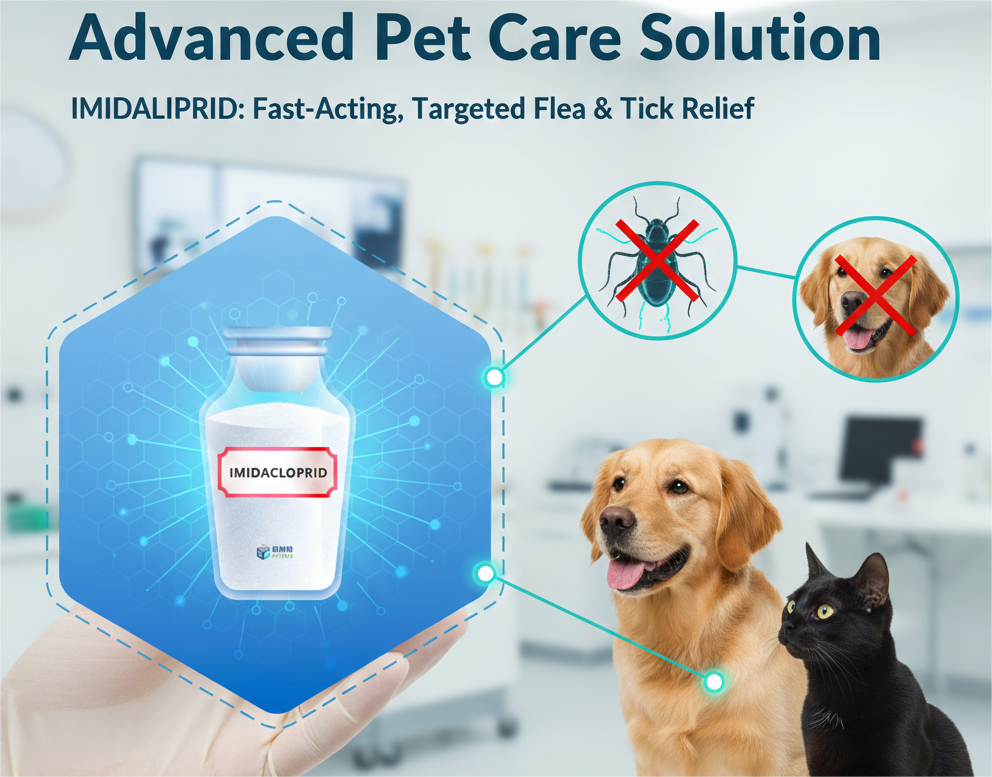
Imidacloprid is a synthetic neonicotinoid insecticide that acts as a potent neurotoxin for insects by mimicking nicotine and binding to their nicotinic acetylcholine receptors.
As a core component of many flea control products, imidacloprid was first registered for use in the mid-1990s. It revolutionized the pest control industry by providing a "knock-down" effect, meaning it starts killing fleas on contact before they even have a chance to bite the pet. This is particularly beneficial for animals suffering from flea allergy dermatitis (FAD), where even a single bite can trigger an intense allergic reaction.
Chemically, imidacloprid insecticide belongs to a class of chemicals modeled after natural nicotine found in tobacco. While nicotine is toxic to both insects and mammals, neonicotinoids like imidacloprid were engineered to be much more selective. They target the specific structure of the insect's nervous system. Because the nervous systems of dogs and cats have different receptor configurations, the chemical does not bind as easily to their cells, which provides the safety margin necessary for topical use.
In the commercial market, you will find imidacloprid pesticide in various formulations. It is often the primary ingredient in spot-on liquid treatments applied to the skin between the shoulder blades. It is also frequently compounded with other active ingredients, such as moxidectin or permethrin, to expand the spectrum of protection to include heartworms, ear mites, or ticks. However, it is vital to note that while imidacloprid itself is safe for cats, some of these "combination" products containing permethrin are highly toxic to felines.
In pets, imidacloprid primarily stays on the surface of the skin and within the hair follicles, exerting its effect on parasites through contact rather than through the pet's bloodstream.
When you apply an imidacloprid insecticide product to a dog or cat, the substance spreads across the lipid (fat) layer of the skin via a process called translocation. Within 24 hours, the chemical covers the entire body surface. This is why many manufacturers claim the product is waterproof; since the imidacloprid is stored in the sebaceous glands and hair follicles, it is slowly released over a 30-day period, providing continuous protection even if the pet gets wet or is bathed.
From a physiological standpoint, the mammalian body does not absorb imidacloprid well through the skin. If a small amount is absorbed, the liver of the dog or cat is typically efficient at metabolizing the compound and excreting it through urine and feces. This low systemic absorption is why imidacloprid pesticide is favored over older generations of oral flea medications that required the chemical to circulate in the blood at high enough concentrations to kill a biting insect.
Despite its general safety, adverse reactions can occur. These are usually localized, such as redness, itching, or hair loss at the site of application. In cases where a pet licks the wet product immediately after application, the bitter taste can cause hypersalivation (drooling) or vomiting. While these symptoms are usually self-limiting and caused by the taste rather than systemic toxicity, they highlight the importance of proper application techniques to prevent oral ingestion.
Yes, imidacloprid is considered one of the safest flea treatments for cats, as it lacks the feline-specific toxicity found in other common insecticides like permethrin.
Cats have a unique liver metabolism that makes them highly sensitive to certain chemicals, particularly phenols and certain pyrethroids. Imidacloprid insecticide is a preferred choice for veterinarians because it does not rely on the metabolic pathways that cats lack. When applied topically, it remains on the skin and provides excellent control against Ctenocephalides felis (the common cat flea) without entering the cat’s system in significant amounts.
However, the safety of imidacloprid for cats is contingent upon using the correct product. Many flea treatments for dogs contain a mixture of imidacloprid pesticide and permethrin. Permethrin is extremely dangerous to cats and can cause fatal seizures. Therefore, pet owners must never use a "small dog" treatment on a cat, even if the weight ranges seem similar. Always ensure the packaging specifically states it is formulated for felines.
| Feature | Imidacloprid for Cats |
| Typical Concentration | 9.1% to 10% |
| Target Pests | Adult fleas, flea larvae |
| Application Frequency | Monthly (Every 30 days) |
| Minimum Age | Usually 8 weeks and older |
| Common Side Effect | Drooling if licked, temporary site redness |
To maximize safety, apply the product to the base of the skull, a spot the cat cannot reach during grooming. If you have multiple cats, keep them separated for a few hours until the product has dried to prevent them from grooming each other and ingesting the imidacloprid.
Imidacloprid is exceptionally safe for dogs of all breeds and sizes when used in the appropriate dosage for their weight class.
Dogs have been the primary subjects of safety studies for imidacloprid insecticide. Research shows that even at several times the recommended dose, dogs typically show no signs of systemic toxicity. This wide "therapeutic index" makes it a go-to solution for heavy infestations. It is effective not only against fleas but also against chewing lice, and when combined with other ingredients, it can tackle ticks and mites as well.
The primary risk for dogs involves the accidental ingestion of imidacloprid pesticide. Large dogs, in particular, may try to rub their backs on furniture or grass after application, or other dogs in the household might attempt to lick the application site. While the chemical is not highly toxic to the canine liver, the solvents used to keep the imidacloprid in liquid form can cause gastrointestinal upset.
Owners of specific breeds, such as Collies or Australian Shepherds, often worry about sensitivities to certain medications (like Ivermectin). Fortunately, imidacloprid does not use the same transport mechanisms across the blood-brain barrier, making it safe for MDR1-sensitive breeds. As with any medication, monitor your dog for the first 24 hours after the first application to ensure they do not have an individual allergic reaction to the formula.
Lawn pesticides containing imidacloprid pose a low risk to pets once the application has dried or been watered into the soil, but direct contact with wet granules or sprays should be avoided.
In agricultural and landscaping contexts, imidacloprid pesticide is used to control grubs, beetles, and other soil-dwelling insects. These formulations are often much more concentrated than the versions used directly on pets. If your lawn has been treated with an imidacloprid insecticide, the standard safety protocol is to keep pets off the grass until the product is completely dry. If the product is in granular form, it usually needs to be "watered in" to move the chemical into the root zone and away from the surface where a pet might encounter it.
The danger of lawn treatments is not just skin contact, but the potential for a dog to dig in the dirt and then lick their paws, or for a cat to walk through treated grass and then groom themselves. While the amount of imidacloprid used in residential lawn care is regulated to be safe for secondary contact, acute poisoning can occur if a pet gains access to an open bag of concentrated granules or drinks from a puddle of freshly mixed spray.
Wait for Drying: Always wait at least 24 to 48 hours after a liquid application before letting pets roam.
Wipe Paws: If you suspect your pet has walked on a recently treated area, wipe their paws with a damp cloth.
Storage: Store all imidacloprid insecticide containers in a high, locked cabinet away from curious chewers.
Check Labels: Ensure your landscaping company uses pet-friendly application rates.
If a pet is over-exposed or ingests imidacloprid, owners should immediately wash the area with mild soap and contact a veterinarian or animal poison control center.
If you notice your pet acting strangely after an application of imidacloprid insecticide, the first step is to stay calm and assess the symptoms. If the reaction is localized (red skin), washing the application site with a degreasing dish soap (like Dawn) can help remove the remaining oils and chemical. This prevents further absorption and stops the pet from licking more of the substance.
In cases of oral ingestion—which usually happens when a pet licks the wet product—the most common sign is profuse drooling because the chemical tastes extremely bitter. You can offer the pet a small amount of water or low-sodium chicken broth to help clear the taste from their mouth. However, if the pet begins to exhibit more severe symptoms, such as muscle tremors, weakness, or persistent vomiting, this indicates a more serious systemic reaction to the imidacloprid pesticide or its carriers.
Identify the Product: Have the packaging ready so the vet knows the exact concentration.
Estimate Ingestion: Determine if the pet licked a small amount or swallowed a whole tube.
Observation: Document the time the symptoms started.
Professional Help: Call your vet or a 24-hour emergency pet clinic. Do not induce vomiting unless specifically instructed to do so by a professional.
For owners seeking alternatives to imidacloprid, options range from different chemical classes like isoxazolines to natural mechanical methods and environmental management.
While imidacloprid insecticide is a gold standard, some pets may have sensitivities, or owners may prefer different modes of delivery. Oral medications, such as those containing Afoxolaner or Fluralaner (the isoxazoline class), have become popular because they eliminate the risk of the chemical rubbing off on furniture or children. These work systemically and are highly effective against both fleas and ticks, though they require the insect to actually bite the pet to be exposed to the toxin.
For those looking for "natural" alternatives, it is important to manage expectations. Essential oils (like peppermint or cedar) can act as mild repellents but rarely eliminate an active infestation. Diatomaceous earth (food grade) can be used in the home environment to mechanically kill flea larvae by dehydrating them, but it should be used cautiously as the dust can be an irritant to both human and pet lungs.
| Method | Active Ingredient Examples | Pros | Cons |
| Topical (Spot-on) | Imidacloprid, Fipronil | Kills on contact, easy to apply | Oily residue, potential for licking |
| Oral (Chewable) | Afoxolaner, Sarolaner | No skin residue, long-lasting | Requires a bite to work, systemic |
| Collars | Imidacloprid, Flumethrin | Up to 8 months of protection | Risk of getting caught, local neck irritation |
| Natural/Physical | Essential oils, Flea combs | Low chemical exposure | Low efficacy against heavy infestations |
Ultimately, the best alternative is a integrated pest management (IPM) strategy that involves frequent vacuuming of the home, washing pet bedding in hot water, and using a flea comb regularly to monitor for early signs of "flea dirt."
In conclusion, imidacloprid remains one of the safest and most reliable insecticides for pet care due to its high selectivity for insect nervous systems and its long track record of clinical success.
When we weigh the risks of using an imidacloprid insecticide against the very real dangers of flea-borne diseases (such as tapeworms, Bartonella, and anemia), the benefits of chemical prevention far outweigh the potential for side effects. The key to safety lies in the hands of the pet owner: following dosage instructions based on weight, ensuring species-specific product use, and preventing the pet from ingesting the topical liquid.
As a chemical, imidacloprid pesticide provides a shield that keeps our homes and our animals comfortable. While no chemical is 100% without risk for 100% of the population, the mammalian safety profile of this neonicotinoid is robust. By staying informed about how these products work and how to apply them correctly, you can provide your dog or cat with a pest-free life while maintaining peace of mind regarding their overall health and safety.
Most imidacloprid insecticide products are labeled as safe for use on breeding, pregnant, and lactating dogs or cats. However, it is always recommended to consult your veterinarian before applying any chemical treatment to a mother or her offspring, as their physiological stress levels are higher.
You should wait until the application site is completely dry to the touch, which typically takes 2 to 4 hours. This prevents the imidacloprid pesticide from transferring to your skin and ensures the product remains on the pet to do its job.
Standard imidacloprid is primarily designed to kill fleas and lice. To kill ticks, it is usually combined with other ingredients like permethrin (for dogs only) or flumethrin. If you live in a tick-heavy area, check the product label to ensure it covers the specific tick species found in your region.
While extremely rare, neurological side effects can occur if a pet has an underlying sensitivity or if they ingest a very large amount of the concentrated imidacloprid insecticide. However, imidacloprid is generally not associated with the same level of seizure risk as some newer classes of oral flea medications.
Yes, most imidacloprid pesticide spot-on treatments are waterproof after 24 to 48 hours. Because the chemical is stored in the oil glands of the skin, it is not easily washed away by rain or occasional swimming, though frequent shampooing with harsh detergents may reduce its longevity.