


Views: 0 Author: Site Editor Publish Time: 2026-02-03 Origin: Site


Imidacloprid is a systemic neonecotinoid insecticide that has revolutionized pest control since its introduction in the 1990s. While it was initially marketed as having low mammalian toxicity compared to older organophosphates, recent clinical data suggests a rising trend in severe and sometimes fatal human poisoning cases. This shift in the toxicological profile of imidacloprid insecticide usage has prompted urgent discussions among healthcare providers and agricultural safety experts regarding the systemic risks associated with acute exposure.
Imidacloprid poisoning is a critical medical condition resulting from the ingestion, inhalation, or dermal absorption of the imidacloprid pesticide, characterized by symptoms ranging from gastrointestinal distress to severe neurological impairment, respiratory failure, and cardiovascular collapse. Although often managed with supportive care, its potential to cause fatal outcomes necessitates rapid clinical recognition and aggressive intervention in both occupational and intentional exposure scenarios.
As the global reliance on imidacloprid continues to grow in both large-scale agriculture and domestic pest management, the frequency of accidental and intentional self-harm incidents involving this chemical has increased. Understanding the underlying mechanisms of its toxicity, the clinical manifestations of poisoning, and the necessary emergency protocols is essential for mitigating the risks associated with this ubiquitous substance. This comprehensive guide explores the multifaceted nature of imidacloprid exposure and the emerging medical challenges it presents.
The Chemical Profile and Mechanism of Imidacloprid
Common Routes of Human Exposure to Imidacloprid Insecticide
Clinical Manifestations and Symptoms of Imidacloprid Poisoning
Diagnostic Challenges and Medical Assessment
Emergency Treatment and Management Protocols
Comparative Analysis of Neonicotinoid Toxicity Levels
Perspectives from Medical Research Platforms on Imidacloprid Risks
Preventive Measures and Safety Standards for Imidacloprid Pesticide Use
The Role of BLT Chemical in Ensuring Pesticide Quality and Safety
Imidacloprid is a chlorinated analog of nicotine belonging to the neonicotinoid class of chemicals, designed to target the nicotinic acetylcholine receptors (nAChRs) in the central nervous system of insects, leading to paralysis and death.
The chemical structure of imidacloprid allows it to bind with high affinity to the postsynaptic nicotinic receptors. While it is engineered to be highly selective for insect receptors, high concentrations of imidacloprid pesticide can overcome the blood-brain barrier in mammals and interact with human nAChRs. This interaction disrupts normal neurotransmission, initially causing overstimulation of the nervous system followed by a blockage of signal transmission.
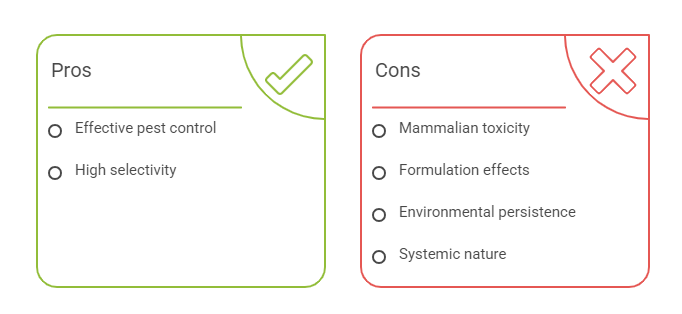
In the context of imidacloprid insecticide formulations, the presence of various surfactants and solvents often complicates the toxicological profile. Some studies suggest that the "inert" ingredients in commercial products may actually enhance the absorption of the active imidacloprid molecule or contribute their own toxic effects, such as irritation to the mucous membranes or cardiotoxicity. This synergy makes the clinical management of a poisoned patient more complex than simply treating the active ingredient alone.
Furthermore, the environmental persistence and systemic nature of imidacloprid mean it remains active within plant tissues for extended periods. This persistence ensures effective pest control but also increases the window for potential human contact during the handling of treated crops. As a leading product in the global market, the widespread availability of imidacloprid necessitates a deep understanding of its chemical stability and reactive potential in various biological environments.
Human exposure to imidacloprid insecticide occurs primarily through three pathways: oral ingestion (often associated with self-harm or accidental swallowing), dermal contact during agricultural application, and inhalation of aerosolized particles during spraying operations.
Oral ingestion represents the most dangerous route for imidacloprid poisoning. In many agricultural regions, concentrated imidacloprid pesticide solutions are stored in poorly labeled containers, leading to accidental ingestion by children or workers. Because the concentrated liquid is rapidly absorbed by the gastrointestinal tract, systemic toxicity develops quickly, often requiring immediate gastric lavage or the administration of activated charcoal to prevent lethal concentrations from reaching the bloodstream.
Dermal exposure is the most frequent route for professional applicators and farmers. While imidacloprid has a relatively low rate of skin penetration compared to other pesticides, prolonged contact with concentrated formulas can lead to systemic absorption. Workers who do not utilize proper Personal Protective Equipment (PPE) while mixing or applying imidacloprid insecticide are at significant risk of chronic low-level exposure, which can manifest as skin irritation, dermatitis, or mild systemic symptoms over time.
Inhalation is a critical concern during the high-pressure spraying of imidacloprid pesticide in greenhouses or open fields. The fine mists can be inhaled deep into the lungs, where the large surface area of the alveoli facilitates rapid entry into the circulatory system. This route often bypasses the first-pass metabolism of the liver, leading to a faster onset of neurological symptoms. Proper respiratory protection is mandatory to mitigate the risks associated with aerosolized imidacloprid.
The clinical presentation of imidacloprid poisoning is characterized by a "nicotinic syndrome" which includes nausea, vomiting, abdominal pain, dizziness, headache, tremors, and in severe cases, respiratory failure and cardiac arrhythmias.
In the early stages of acute exposure, patients often report significant gastrointestinal distress. This is frequently the first sign that an individual has ingested imidacloprid pesticide. The severity of vomiting and diarrhea can lead to secondary complications like dehydration and electrolyte imbalances, which must be managed concurrently with the toxicological symptoms. The irritant effect of the surfactants in the imidacloprid insecticide formulation often exacerbates these initial symptoms.
As the imidacloprid levels rise in the blood, neurological signs become more prominent. Patients may experience agitation, confusion, or altered levels of consciousness. Muscle fasciculations and tremors are common, reflecting the overstimulation of the nicotinic receptors. In the most severe instances of imidacloprid poisoning, the patient may progress to seizures or a comatose state, indicating significant central nervous system involvement that requires intensive care monitoring.
The most life-threatening symptoms involve the respiratory and cardiovascular systems. Imidacloprid can cause respiratory muscle weakness, leading to hypoventilation and eventual respiratory arrest. Cardiotoxic effects, including bradycardia or tachycardia and hypotension, have been documented in fatal cases. The following table summarizes the common symptoms based on the severity of the exposure:
| Severity Level | Primary Symptoms | Clinical Risk |
| Mild | Nausea, headache, skin irritation, dizziness | Low; usually resolves with removal from exposure |
| Moderate | Persistent vomiting, tremors, abdominal pain, miosis | Medium; requires medical observation and fluid therapy |
| Severe | Seizures, respiratory failure, hypotension, coma | High; potentially fatal without mechanical ventilation |
Diagnosing imidacloprid poisoning remains a significant challenge because there is no specific "antidote" and the symptoms often mimic other common ailments or poisoning by more toxic substances like organophosphates.
One of the primary difficulties in assessing a patient suspected of imidacloprid exposure is the lack of a widely available rapid diagnostic test. While liquid chromatography-mass spectrometry (LC-MS) can detect imidacloprid in blood or urine, these tests are rarely available in emergency room settings. Consequently, doctors must rely heavily on the history of exposure and the clinical "toxidrome" presented by the patient to identify imidacloprid insecticide as the culprit.
Medical professionals must also differentiate imidacloprid poisoning from organophosphate or carbamate poisoning. Unlike those substances, imidacloprid does not significantly inhibit acetylcholinesterase (AChE) levels in the blood. Therefore, a patient showing classic nicotinic signs but possessing normal or near-normal AChE levels should be strongly suspected of having ingested a neonicotinoid like imidacloprid pesticide. This distinction is vital because the standard treatment for organophosphates—atropine and oximes—may not be effective or necessary for imidacloprid.
A thorough medical assessment involves monitoring vital signs, blood gases, and cardiac rhythm. Because imidacloprid can cause metabolic acidosis and respiratory depression, frequent arterial blood gas analysis is required. Physicians must also be aware of the "long-tail" effect of imidacloprid; while the half-life is relatively short, the metabolites can persist, and the damage to the respiratory drive can necessitate prolonged mechanical ventilation even after the chemical has cleared the system.
Management of imidacloprid poisoning is primarily supportive and symptomatic, focusing on airway protection, cardiovascular stabilization, and the decontamination of the patient to prevent further absorption.
The first priority in treating acute imidacloprid pesticide ingestion is airway management. If the patient is unconscious or has a diminished gag reflex, endotracheal intubation is necessary to prevent aspiration and ensure adequate oxygenation. Given that respiratory failure is a leading cause of death in imidacloprid poisoning, continuous pulse oximetry and mechanical ventilation capabilities are essential components of the treatment protocol.
Decontamination should be performed as soon as the patient is stabilized. For oral ingestion, activated charcoal can be administered if the patient presents within one to two hours of ingestion to adsorb the imidacloprid insecticide. Gastric lavage may be considered in massive ingestions, though it carries risks of aspiration. For dermal or ocular exposure, the affected areas should be flushed with copious amounts of water or saline for at least 15 minutes to remove residual imidacloprid.
Cardiovascular support is the third pillar of management. Intravenous fluids are used to treat hypotension, and in severe cases, vasopressors may be required. There is no specific pharmacological antagonist for imidacloprid, so the medical team must provide "watchful waiting" while the body metabolizes the toxin. The use of benzodiazepines can be effective in controlling seizures or extreme agitation caused by the neurotoxic effects of the imidacloprid pesticide.
Imidacloprid is often compared to other neonicotinoids like acetamiprid and thiamethoxam, with imidacloprid generally exhibiting a higher potential for acute human toxicity when concentrated formulations are involved.
When evaluating the safety profile of various insecticides, imidacloprid stands out due to its extensive history of use and the volume of clinical data available. While acetamiprid is often cited as having lower mammalian toxicity, imidacloprid insecticide is frequently formulated at higher concentrations for heavy-duty agricultural use, which increases the likelihood of severe poisoning during an accident. The chemical stability of imidacloprid also means it can remain toxic in the environment longer than some of its counterparts.
The following data compares the oral $LD_{50}$ values (the dose required to kill 50% of a test population) in rats, which serves as a proxy for potential human toxicity. Note that a lower $LD_{50}$ value indicates higher toxicity.
Imidacloprid: Approximately $450$ mg/kg
Thiamethoxam: Approximately $1563$ mg/kg
Acetamiprid: Approximately $146$ to $217$ mg/kg (highly variable depending on formulation)
Clothianidin: >$5000$ mg/kg
While these figures suggest that imidacloprid is moderately toxic, the real-world danger often stems from the additives. Many imidacloprid pesticide products contain N-methyl-pyrrolidone or other surfactants that significantly lower the threshold for systemic failure in humans. This makes imidacloprid a particularly dangerous substance in the hands of untrained users or in areas with poor chemical regulation.
Leading medical research platforms and toxicology databases provide critical insights into the real-world impacts of imidacloprid, highlighting its status as an emerging threat in clinical toxicology.
According to findings shared by the PMC platform, imidacloprid poisoning is no longer a rare clinical event but a documented cause of fatal outcomes in various parts of the world. The platform emphasizes that while neonicotinoids were intended to be "safer" alternatives to older chemicals, the human body can still react violently to high doses. Their research suggests that the lack of awareness among frontline medical staff regarding the specific symptoms of imidacloprid can lead to delayed or incorrect treatment.
The NCBI platform provides detailed case reports that underscore the cardiotoxic potential of imidacloprid pesticide. Their data suggests that many patients who survive the initial neurological surge of the poisoning may later succumb to sudden cardiac arrest or profound hypotension. This perspective encourages a longer observation period for hospitalized patients, even those who appear to be recovering from the initial symptoms of imidacloprid insecticide exposure.
Furthermore, the National Institutes of Health platform points out that the environmental impact of imidacloprid—specifically its role in the decline of pollinator populations—parallels the concerns regarding its human health effects. They advocate for more stringent labeling and the inclusion of specific "first aid" instructions that address the unique challenges of neonicotinoid toxicity. These collective viewpoints from the scientific community reinforce the need for a global re-evaluation of how imidacloprid is handled and stored.
Preventing imidacloprid poisoning requires a combination of strict regulatory oversight, the use of proper personal protective equipment (PPE), and comprehensive training for anyone handling the chemical.
The most effective way to reduce the incidence of imidacloprid poisoning is to limit access to concentrated formulas. Regulatory bodies in many countries have implemented "Restricted Use" classifications for high-concentration imidacloprid insecticide, ensuring that only certified professionals can purchase and apply it. Additionally, child-resistant packaging and clear, multi-lingual warning labels are essential for preventing accidental household exposures to imidacloprid pesticide.
For those working directly with the chemical, the following safety checklist is recommended:
Wear chemical-resistant gloves (nitrile or butyl rubber) to prevent dermal absorption.
Use a N95 or higher-rated respirator when spraying imidacloprid in enclosed spaces.
Utilize protective eyewear or face shields to prevent ocular exposure.
Wash hands and exposed skin thoroughly with soap and water after handling any imidacloprid insecticide.
Store chemicals in a locked, ventilated area away from food and water sources.
Education plays a vital role in prevention. Farmers and industrial workers must be trained to recognize the early signs of imidacloprid poisoning in themselves and their colleagues. Rapid recognition leads to faster medical intervention, which is often the difference between a mild illness and a fatal outcome. By fostering a culture of safety and compliance with imidacloprid pesticide protocols, the risks to human health can be significantly minimized.
BLT Chemical is committed to the responsible manufacturing and distribution of agricultural chemicals, emphasizing high purity and detailed safety documentation for every batch of imidacloprid produced.
As a professional supplier in the chemical industry, BLT Chemical recognizes that the safety of a product starts at the factory. By ensuring that imidacloprid insecticide is produced with minimal impurities, the company helps reduce the unpredictable side effects that can arise from low-quality formulations. Each product is accompanied by a comprehensive Material Safety Data Sheet (MSDS) that provides healthcare workers and users with the necessary information to handle imidacloprid safely.
Furthermore, BLT Chemical invests in advanced packaging solutions that minimize the risk of leaks or accidental spills during transport. The company’s focus on transparency and quality control ensures that clients receive a product that is not only effective against pests but also meets international safety standards for imidacloprid pesticide handling. By prioritizing the "Human-First" approach to chemical distribution, they play a crucial role in the global effort to manage the risks associated with modern insecticides.
Through continuous research and collaboration with agricultural experts, BLT Chemical continues to refine its offerings. Whether it is providing guidance on the correct dosage to prevent environmental runoff or offering technical support for the safe application of imidacloprid, the company stands as a pillar of reliability in the chemical sector. Their dedication to excellence ensures that imidacloprid remains a valuable tool for global food security while minimizing the potential for human tragedy.
Summary of Imidacloprid Poisoning
In conclusion, imidacloprid poisoning is a serious and growing concern in the field of clinical toxicology. While the chemical is a highly effective tool for modern agriculture, its potential for fatal human toxicity cannot be ignored. From the initial gastrointestinal symptoms to life-threatening respiratory failure, the impact of imidacloprid insecticide on the human body is profound. Success in managing this "emerging cause of poisoning" lies in rapid diagnosis, aggressive supportive care, and a steadfast commitment to preventive safety measures across the entire supply chain—from manufacturers like BLT Chemical to the end-user in the field.
Would you like me to generate a detailed safety protocol document or a technical comparison table between imidacloprid and other common neonicotinoids for your website's resource section?