


Views: 0 Author: Site Editor Publish Time: 2026-01-13 Origin: Site


Dicyandiamide (DCD) is a versatile chemical compound that plays a key role in various industrial applications, including its use as a crosslinking agent. Crosslinking is a process in which polymer chains are chemically bonded together to form a network structure, leading to enhanced properties such as improved adhesion, strength, and durability. In this article, we will explore the role of Dicyandiamide as a crosslinking agent, its benefits in enhancing material properties, and its applications in a range of industries.
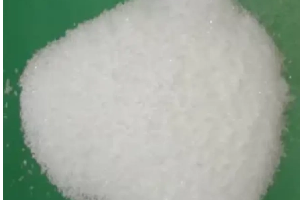
Dicyandiamide (C2H4N4) is a nitrogen-rich, crystalline compound that is typically white in color. It contains two cyanamide groups connected by a nitrogen atom. The compound is highly soluble in water and exhibits thermal stability, making it suitable for various industrial processes, including polymerization, chemical synthesis, and material enhancement.
In the context of crosslinking, Dicyandiamide serves as a reactive agent that can form covalent bonds between polymer chains. This enhances the physical properties of the material, such as its mechanical strength, heat resistance, and resistance to chemicals, moisture, and wear. Dicyandiamide is commonly used in the production of adhesives, coatings, sealants, and other polymer-based products to improve their performance and longevity.
The primary mechanism by which Dicyandiamide acts as a crosslinking agent is through the formation of covalent bonds between polymer chains. This occurs when Dicyandiamide reacts with certain functional groups in the polymer, such as hydroxyl (-OH), amine (-NH2), or carboxyl (-COOH) groups. By linking the polymer chains together, Dicyandiamide creates a network of interconnected molecules that gives the material improved structural integrity and resistance to various stresses.
In the crosslinking process, Dicyandiamide typically works in the presence of a catalyst, such as heat or ultraviolet (UV) radiation, to accelerate the chemical reaction. The extent of crosslinking can be controlled by adjusting factors such as temperature, pressure, and the concentration of Dicyandiamide, allowing for the creation of materials with tailored properties to meet specific requirements.
Dicyandiamide offers several advantages when used as a crosslinking agent, particularly in terms of enhancing material performance. These benefits include:
One of the most significant advantages of using Dicyandiamide as a crosslinking agent is its ability to improve adhesion. In many industrial applications, such as in adhesives, coatings, and paints, strong adhesion to substrates is essential for ensuring the longevity and effectiveness of the product. Dicyandiamide helps enhance the adhesion properties of these materials by promoting chemical bonds between the polymer matrix and the surface it is applied to. This results in improved bonding strength, making the material more resistant to peeling, cracking, and delamination.
For example, in the manufacturing of automotive coatings or construction adhesives, the use of Dicyandiamide as a crosslinker can significantly improve the bond between the coating or adhesive and the surface, ensuring better performance under challenging conditions such as temperature fluctuations, humidity, and mechanical stress.
Another important benefit of crosslinking with Dicyandiamide is the enhanced durability of materials. Crosslinked polymers exhibit improved resistance to wear, abrasion, and degradation from environmental factors. By creating a stronger network of polymer chains, Dicyandiamide helps prevent the material from breaking down under mechanical stress, exposure to UV light, or prolonged contact with harsh chemicals.
In applications such as sealants, flooring materials, and industrial coatings, the increased durability provided by Dicyandiamide ensures that the product maintains its performance over time, reducing the need for frequent replacements or repairs. This leads to longer-lasting products, which ultimately result in cost savings for manufacturers and consumers alike.
Crosslinking with Dicyandiamide improves a material's ability to withstand high temperatures and exposure to chemicals. The covalent bonds formed between polymer chains help the material resist thermal expansion, shrinkage, and softening at elevated temperatures. This makes Dicyandiamide-crosslinked materials ideal for high-temperature environments, such as in automotive, aerospace, and industrial manufacturing applications.
Additionally, the enhanced chemical resistance provided by Dicyandiamide ensures that the material remains intact and functional when exposed to corrosive substances, oils, solvents, and other chemicals. This property is particularly valuable in industries such as construction, electronics, and packaging, where materials are often subjected to harsh chemicals or extreme conditions.
The crosslinking process facilitated by Dicyandiamide also results in improved mechanical properties, including increased tensile strength, impact resistance, and rigidity. Crosslinked polymers are less prone to deformation or stretching under stress, making them more suitable for applications that require high strength and stability.
For example, in the production of composite materials used in construction or automotive industries, Dicyandiamide's ability to improve mechanical properties allows manufacturers to create stronger, more reliable products that can withstand heavy loads and dynamic forces.
Moisture resistance is a crucial factor in many industrial applications, particularly in environments with high humidity or where products are exposed to water. Dicyandiamide-crosslinked materials exhibit improved moisture resistance due to the stronger bond between polymer chains, which makes it harder for water molecules to penetrate the material. This makes Dicyandiamide an ideal crosslinking agent for coatings, adhesives, and sealants used in outdoor, marine, or wet environments.
Dicyandiamide's versatility as a crosslinking agent has led to its widespread use in a variety of industrial applications. Some of the key areas where Dicyandiamide is commonly used include:
Dicyandiamide is frequently used in the formulation of adhesives and sealants, particularly in applications where strong bonding and long-term durability are required. By improving adhesion and enhancing chemical and heat resistance, Dicyandiamide helps ensure that the adhesive or sealant performs effectively over time, even under challenging environmental conditions.
For instance, in construction, automotive, and electronics industries, Dicyandiamide-crosslinked adhesives provide strong, reliable bonds for materials like metals, plastics, glass, and ceramics.
Dicyandiamide is also used in the production of coatings and paints, where it enhances adhesion, durability, and resistance to wear. Crosslinking with Dicyandiamide ensures that the coating remains intact and adheres firmly to surfaces even when exposed to high temperatures, chemicals, or harsh weather conditions. This is especially important in industries such as automotive manufacturing, aerospace, and marine applications, where coatings are subjected to rigorous conditions.
Dicyandiamide is used in the vulcanization process of rubber and elastomers, which involves crosslinking the polymer chains to improve the material's elasticity, strength, and heat resistance. The crosslinking process is essential for creating high-performance rubber products used in tires, gaskets, seals, and industrial machinery.
In composite materials, Dicyandiamide enhances the bonding between different layers or components of the material, improving its overall strength, rigidity, and resistance to environmental factors. Dicyandiamide-crosslinked composites are widely used in industries such as aerospace, construction, and automotive, where materials must meet stringent performance requirements.
Dicyandiamide is also used in the manufacture of electrical insulation materials. By crosslinking polymers used in cables, connectors, and insulation products, Dicyandiamide improves their resistance to heat, chemicals, and moisture, ensuring that they maintain their insulating properties over time and under extreme conditions.
Dicyandiamide is an invaluable chemical compound that plays a crucial role in improving the performance of materials through crosslinking. By enhancing properties such as adhesion, durability, heat and chemical resistance, mechanical strength, and moisture resistance, Dicyandiamide enables the production of high-performance materials for a wide range of industrial applications. Its versatility makes it suitable for use in adhesives, coatings, sealants, rubber products, composite materials, and electronics.
For manufacturers and industries seeking to improve the quality and longevity of their products, Dicyandiamide offers a cost-effective and efficient solution. Whether in construction, automotive, aerospace, or electronics, Dicyandiamide helps create materials that perform better, last longer, and provide superior protection against harsh conditions.
For high-quality Dicyandiamide products and expert advice on crosslinking applications, Beilite Chemical Co., Ltd. offers reliable solutions tailored to your industrial needs.